
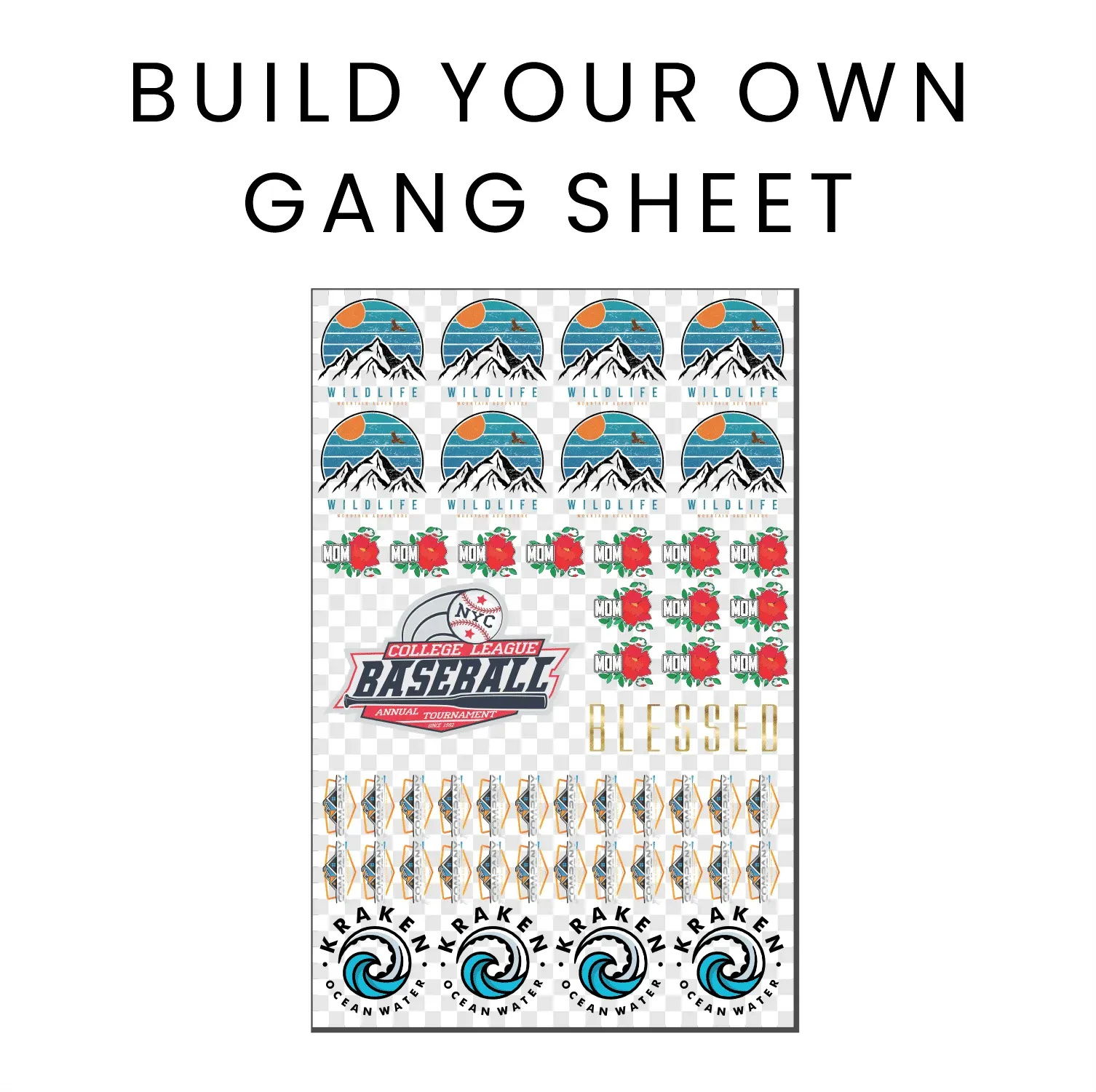
The DTF Gangsheet Builder is an essential tool in the world of Direct to Film printing, revolutionizing the way designers approach their projects. By utilizing this innovative software, you can effectively optimize DTF designs, streamline your workflow, and achieve outstanding print results. This guide will explore the various DTF printing techniques that can be implemented using the Gangsheet Builder, helping you understand the intricacies of the DTF printing process. From maximizing space to minimizing waste, the DTF Gangsheet Builder offers invaluable gangsheet design tips that enhance overall efficiency. Join us as we delve into the key features and benefits that make this design optimization software a must-have for printing enthusiasts and professionals alike.
In the realm of DTF printing, advanced tools like the Direct to Film Gangsheet Creator are transforming how designs come to life. This design optimization software not only aids in arranging multiple graphics but also emphasizes the importance of layout efficiency in the printing process. By employing sophisticated printing techniques, users can maximize their media usage while ensuring high-quality outputs. The ability to effectively configure a gang sheet enhances productivity and reduces fabric waste, making it a strategic choice for anyone involved in printing. As we explore these cutting-edge solutions, you’ll discover practical tips that can elevate your design workflow and overall print quality.
Maximizing Efficiency with DTF Gangsheet Builder
DTF Gangsheet Builders are revolutionizing how printers approach their layout processes. By utilizing these specialized tools, you can effectively maximize the use of every inch of film, resulting in lesser waste and more prints per sheet. The efficiency comes from the combination of designs onto one sheet, enabling users to optimize their media usage while significantly saving on printing costs. With efficient optimization strategies, you can streamline your workflow and elevate your printing operations to a new level.
Moreover, the DTF Gangsheet Builder’s ease of use allows for quick adjustments in design placement, size, and spacing without the steep learning curve typically associated with advanced printing software. This versatility not only makes the gangsheet building process more accessible for beginners but also enhances productivity for professionals. By enabling efficient gangsheet optimization, printers can focus on creativity without worrying about resource wastage.
Effective Design Arrangement Techniques
Strategic design arrangement is a key component in successfully optimizing DTF gangsheet designs. When placing designs on your gang sheet, it’s essential to consider their size and composition. Position larger graphics in a way that they dominate the central area of the sheet while fitting smaller designs around them. This method reduces unused space and maintains a visually appealing balance in the overall layout. The strategic placement significantly minimizes fabric waste, which is crucial to maintaining a sustainable printing process.
In addition, remember that adjusting margins and spacings between your designs can aid in avoiding overly cluttered sheets. Ensure there’s sufficient space for cutting and weeding, preserving the integrity of the designs. By prioritizing effective design arrangement techniques, you not only optimize the use of materials but also enhance the aesthetic quality of the prints.
Color Management for Optimal Output
Efficient color management is vital when optimizing DTF designs. By ensuring the correct use of color profiles—RGB for screens and CMYK for print—you set the stage for accurately representing the colors that will appear in the final print. Integrating targeted color profiles into your workflow reduces the risk of color discrepancies and enhances overall print quality.
Additionally, conducting test prints is crucial for verifying how colors translate from digital designs to physical outputs. It allows designers to tweak and adjust colors before committing to a larger print run. This proactive measure not only saves time and resources but also delivers exceptional quality in the final product.
Ensuring High Resolution in Designs
To guarantee clarity and sharpness in your final printed products, maintaining high resolution throughout your design process is essential. Designs should ideally be created at a minimum resolution of 300 DPI (dots per inch). This specification ensures that the printed outputs are crisp, vibrant, and true to the original design intent, avoiding pixelation and blurriness.
Moreover, tailoring your designs to fit the specific dimensions of the gang sheet mitigates the need for excessive resizing, which can often compromise quality. By focusing on maintaining high resolution and proper sizing, you ensure that your DTF printing process yields professional and quality results.
Utilizing Design Optimization Software
In the world of DTF printing, leveraging specialized design optimization software can significantly enhance your workflow. Programs like Silhouette Studio and Adobe Illustrator, which come equipped with gangsheet builder functionality, allow users to create intricate layouts that are both aesthetically pleasing and resource-efficient. These advanced tools facilitate easy manipulation of designs to suit the gang sheet format, making it easier for users to achieve optimum layouts.
Furthermore, using design optimization software can integrate features that automatically suggest adjustments for spacing and arrangement, drastically reducing preparation time. This not only leads to faster production times but also opens doors for a more creative and stylish design output, allowing printers to differentiate themselves in a competitive market.
Keeping Up with DTF Printing Trends
As DTF printing technology meanders through various advancements, the significance of utilizing a DTF Gangsheet Builder becomes more apparent. Current industry trends spotlight efficiency trends, notably in cost savings and time management through effective gangsheet planning. Organizations that adapt to these insights tend to thrive, particularly in large-volume production runs where every second counts.
Moreover, staying informed about automated features in software that can ease the design process position printers for success. Embracing the continually evolving landscape of DTF printing ensures that you’ll not only produce high-quality designs but will also streamline your workflow to maintain a competitive edge.
Frequently Asked Questions
What is the purpose of a DTF Gangsheet Builder?
The purpose of a DTF Gangsheet Builder is to optimize DTF designs by allowing users to arrange multiple artworks onto a single film sheet. This practice maximizes media usage, reduces fabric waste, and decreases printing costs, making it an essential tool for DTF printing techniques.
How can I optimize my designs with a DTF Gangsheet Builder?
To optimize your designs using a DTF Gangsheet Builder, focus on strategic design arrangement, color management, and maintaining high resolution. Adjust the placement of designs to use space effectively, ensure accurate color profiles, and create designs at a minimum of 300 DPI for the best printing results.
What are some gangsheet design tips for DTF printing?
Some effective gangsheet design tips include arranging larger designs in the center and filling in gaps with smaller ones, using suitable color profiles for print, and ensuring all designs are sized specifically for the gang sheet layout. This helps to maximize efficiency and aesthetic appeal.
What role does color management play in the DTF printing process?
Color management is crucial in the DTF printing process as it ensures that the colors in your designs appear accurately on the final print. Using the correct color profiles, such as CMYK for print, and conducting test prints can significantly enhance the quality of your DTF designs.
Why is high resolution important in DTF Gangsheet Builder designs?
High resolution is vital in DTF Gangsheet Builder designs as it guarantees clarity and sharpness in the final print products. Designs should ideally be created at a minimum of 300 DPI to ensure that all elements print crisply and maintain quality throughout the DTF printing process.
What software options are available for optimizing designs with a DTF Gangsheet Builder?
Popular software options for utilizing a DTF Gangsheet Builder include Silhouette Studio and Adobe Illustrator. These tools provide robust functionalities for design optimization, making it easier to create efficient layouts that enhance the DTF printing techniques and overall production outcomes.
| Key Points | Description | |
|---|---|---|
| 1. Purpose of DTF Gangsheet Builder | Helps users arrange multiple designs on a single sheet, reducing waste and printing costs. | |
| 2. Design Arrangement Techniques | Carefully arrange designs for compact layouts to maximize media use. | |
| 3. Color Management | Use appropriate color profiles (RGB for screens, CMYK for printing) and conduct test prints. | |
| 4. Resolution and Size Importance | Keep designs at a minimum of 300 DPI for sharpness and clarity. | |
| 5. Advanced DTF Software Tools | Tools like Silhouette Studio and Adobe Illustrator offer integrated gangsheet building features. | |
| 6. Industry Efficiency Trends | Utilizing gangsheet builders is shown to reduce costs and enhance productivity. | |
Summary
The **DTF Gangsheet Builder** is an essential tool for anyone looking to optimize their designs for DTF printing. By focusing on strategic layout arrangements, proper color management, and high-resolution design creation, users can significantly enhance the efficiency of their printing process. As technology evolves, staying updated with advanced software options and industry practices becomes critical to achieving maximum productivity and quality in design outputs. Emphasizing these aspects will not only improve individual results but will also ensure a competitive edge in the growing field of DTF printing.