
When it comes to achieving optimal results in the realm of custom apparel, understanding DTF transfer sizes is paramount. This emerging technique utilizes advanced DTF printing technology to produce vibrant and detailed designs that can be easily applied to various garments. The right transfer size selection is critical, as it directly influences the final appearance and integrity of the printed fabric. With a range of DTF transfer options available, from standard sheet sizes like A4 and A3 to custom dimensions, businesses can tailor their designs to meet specific market demands. As DTF printing advancements continue to evolve, awareness of transfer sizes becomes increasingly essential for retailers aiming to make their mark in a competitive fashion landscape.
Exploring the intricacies of direct-to-film (DTF) transfer dimensions reveals a lot about the custom clothing market’s needs. Whether referred to as DTF prints or transfers, these sizing options play a crucial role in determining how well a design will translate onto fabric. From adapting to various garment types to leveraging the latest in DTF printing methodologies, businesses are taking advantage of tailored solutions that meet diverse customer preferences. With the rising popularity of this printing method, knowing how to navigate transfer size selection becomes vital for those looking to succeed in creative apparel applications. As retailers strive to enhance their offerings, mastering the language of DTF transfers opens doors to more impactful and striking garment designs.
Exploring the Basics of DTF Printing Technology
Direct-to-Film (DTF) printing technology has revolutionized the custom apparel market with its unique approach to transferring vibrant designs onto textiles. This innovative process involves printing designs onto a specialized film, which are then transferred onto various materials using heat and pressure. The resultant prints are known for their exceptional quality, allowing businesses to create intricate designs that stand out. As DTF printing gains traction in the industry, understanding its mechanics and applications becomes vital for retailers looking to enhance their offerings.
One of the significant advantages of DTF printing is the ability to print on a wide variety of fabrics, including cotton, polyester, and even blends. This versatility opens the door for custom apparel creators to cater to diverse market needs. Furthermore, DTF printing provides high wash-resistance, ensuring that designs remain vibrant even after multiple washes. As more businesses adopt this technology, the demand for quality DTF transfers continues to rise, compelling retailers to stay updated on the latest printing innovations.
DTF Transfer Sizes: Finding the Right Fit for Your Garments
When it comes to DTF transfer sizes, making the right choice can significantly influence the outcome of a garment’s design. Common transfer sizes include A4, A3, and options for custom dimensions. Each size serves different applications, with A4 being ideal for smaller logos and detailed designs, while A3 is perfect for larger graphics that require a more commanding presence on the fabric. Custom sizes can also be tailored to specific needs, providing flexibility for promotional events or brand-specific applications.
Understanding the compatibility of different transfer sizes with various garment types is crucial for maximizing design impact. For instance, larger transfers may complement streetwear styles, while smaller sizes may be preferred for corporate apparel. By carefully evaluating the garment’s dimensions and desired design aesthetic, businesses can ensure that the selected DTF transfer size not only fits the material well but also enhances the overall look of the final product.
Best Practices for Selecting DTF Transfer Sizes
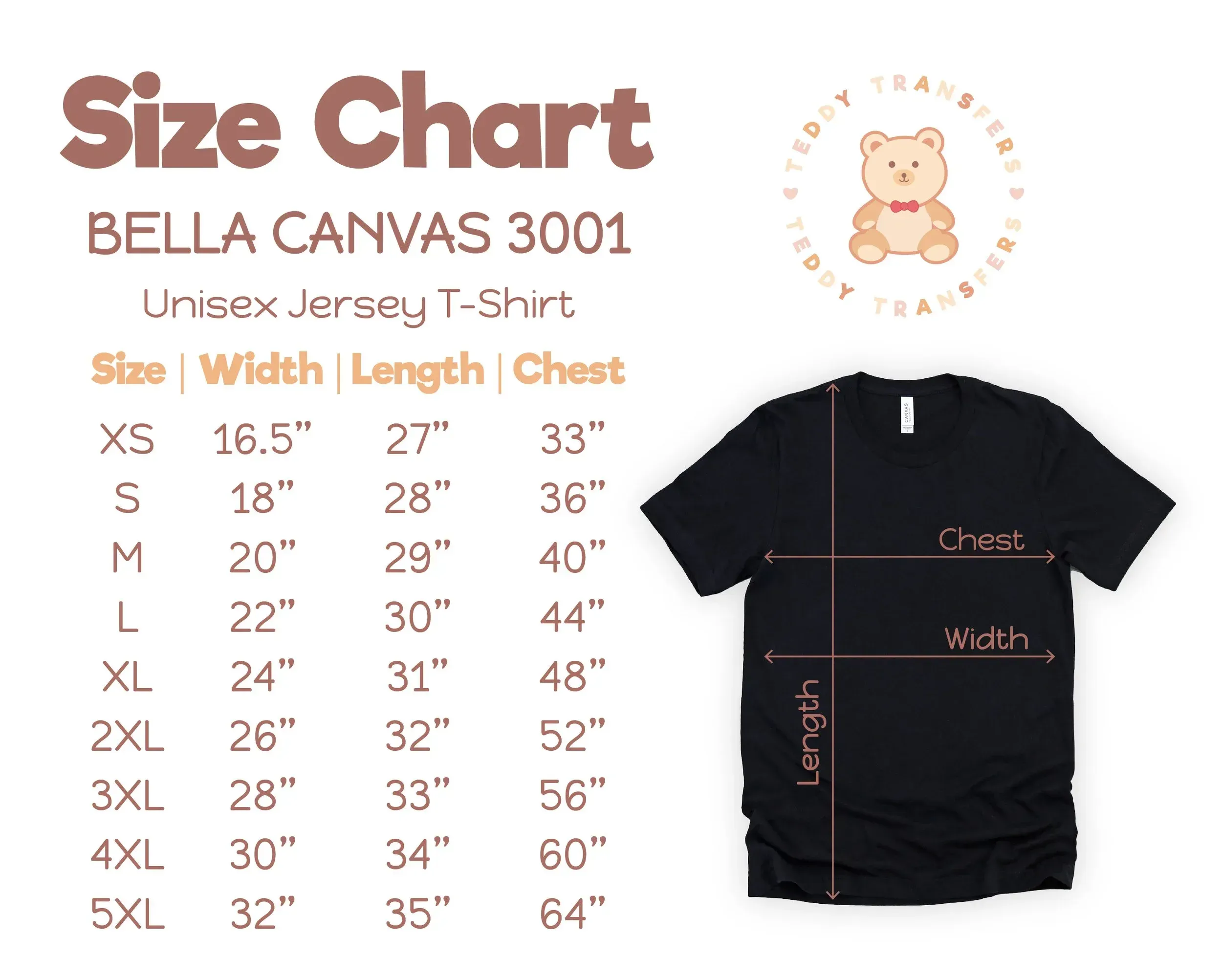
Selecting the appropriate DTF transfer size requires a thoughtful approach to both measurement and design. Before making a choice, it’s essential to measure the area of the garment designated for the design. This ensures that the transfer will align perfectly with the garment, minimizing issues such as misplacement or distortion of the graphic. Retailers should also consult size charts provided by DTF printing companies to guide them in choosing a transfer that suits standard placements like the front, back, or sleeves.
Moreover, understanding the target audience can significantly impact transfer size selection. For example, designs geared toward younger consumers in the streetwear industry may favor larger, bolder prints that capture attention, while businesses might opt for subtler logos that convey professionalism. Evaluating trends and preferences within different demographics will allow brands to optimize their transfer size choices, enhancing customer satisfaction through well-fitted, attractive designs.
Innovations in DTF Printing: Enhancements in Transfer Technology
Recent advancements in DTF printing technology have led to significant improvements in transfer durability and fabric adherence. Manufacturers have introduced enhanced adhesives that create a stronger bond between the transfer and the fabric, addressing common issues such as peeling and fading. These innovations are critical for custom print shops that want to provide long-lasting solutions to their customers, ensuring that the vibrant colors and intricate designs remain intact throughout the product’s lifecycle.
In addition to innovative adhesives, the development of high-quality inks has also transformed DTF printing outcomes. New ink formulations offer superior color vibrancy and resistance to fading after multiple washes, allowing for produce that retains its aesthetic appeal over time. These advancements not only simplify the purchasing and application process for retailers but also empower them to meet the evolving demands of a competitive market saturated with high-quality custom apparel.
Current Trends in DTF Transfer Applications
The landscape of DTF transfer applications has evolved to favor larger, more striking designs, particularly in the realm of casual apparel and streetwear. With a growing segment of consumers gravitating towards bold visuals, DTF manufacturers are responding by expanding their standard size offerings. As fashion statements become increasingly vibrant, the importance of both the size and placement of designs cannot be overstated; they play a crucial role in attracting attention and delivering marketing messages effectively.
This trend towards larger prints corresponds with consumer preferences for unique, personalized garments that stand out in crowded marketplaces. Brands are not only focusing on size; they are also experimenting with creative placements to maximize visibility. By understanding these trends in consumer behavior, fashion designers and retailers can better position themselves to tap into the market’s explosive demand for DTF printed apparel that resonates with today’s audience.
Resources for Learning More About DTF Printing
For anyone looking to deepen their understanding of DTF printing and transfer sizing, numerous online resources are available. Websites like SignWarehouse offer extensive articles on DTF printing technologies and size options, making them excellent starting points for novices and experienced users alike. Heat Transfer Warehouse also provides detailed guidelines that help users make well-informed selections based on different garment types, ensuring optimal application and result.
Additionally, exploring industry publications and platforms like Coleman’s can provide insights into current trends and shifts in consumer preferences. By staying abreast of market developments, businesses can refine their strategies and innovate their DTF printing practices. These resources not only serve as educational tools but also as inspiration for creative applications, helping brands keep pace with the fast-evolving custom apparel landscape.
Frequently Asked Questions
What are the common sizes for DTF transfers in custom apparel?
Common sizes for DTF transfers include A4 (8.3 x 11.7 inches) for small designs, A3 (11.7 x 16.5 inches) for medium designs, and custom sizes tailored to specific retailer needs, ensuring perfect fit for various apparel.
How important is transfer size selection in DTF printing technology?
Transfer size selection is crucial in DTF printing technology as it directly impacts the design’s visibility and quality. Choosing the right size prevents distortions while ensuring the graphics remain recognizable and aesthetically pleasing on garments.
Are there advancements in DTF transfer sizes that affect custom apparel design?
Yes, advancements in DTF printing technology have led to improved options for transfer sizes, including better adhesives and inks that enhance durability. These innovations help in meeting market demands for quality custom apparel.
What does the size of DTF transfers mean for design placement?
The size of DTF transfers plays a significant role in design placement on garments. Proper sizing ensures that designs are positioned well, enhancing overall appearance and attraction, especially important in trendy sectors like streetwear.
How can I determine the best DTF transfer size for my apparel?
To determine the best DTF transfer size for your apparel, measure the design area on the garment, consult size charts from DTF printing providers, and consider your target market’s preferences for bold or subtle designs.
What trends should I be aware of when selecting DTF transfer sizes?
Current trends showcase a preference for larger, bold DTF transfer sizes in casual and streetwear apparel, driven by consumer demand for visually striking designs that attract attention and enhance branding.
| Key Point | Details |
|---|---|
| 1. Understanding DTF Transfers | DTF printing involves printing designs on a special film, which are then transferred to fabric via heat and pressure. |
| 2. Size Options Available | Standard sizes include A4 (8.3 x 11.7 inches), A3 (11.7 x 16.5 inches), and customizable sizes to fit specific needs. |
| 3. Importance of Proper Sizing | Choosing the right size is vital to maintain design quality and visibility on garments. |
| 4. Recent Innovations in DTF Technology | Improvements include better adhesives and high-quality inks for enhanced durability and vibrancy. |
| 5. Guidelines for Transfer Size Selection | Measure the design area, review size charts, and consider target market preferences. |
| 6. Current Trends in DTF Application | There’s an increasing preference for larger designs, especially in streetwear and casual apparel. |
| 7. Resources for Buyers | Helpful platforms include SignWarehouse, Heat Transfer Warehouse, and Coleman’s for further guidance. |
Summary
DTF transfer sizes play a crucial role in the success of custom apparel creations by ensuring designs are well proportioned and visually appealing. As the trend towards vibrant and sizable graphics continues to evolve, understanding the different DTF transfer sizes becomes essential for retailers and designers alike. Properly sized transfers not only enhance the aesthetic quality of the garment but also support brand messaging in a competitive market. Additionally, staying informed about technological advancements and market trends can empower businesses to select the most effective transfer sizes, driving customer satisfaction and bolstering sales. Ultimately, a keen awareness of DTF transfer sizes is integral for thriving in the ever-growing scene of custom apparel.